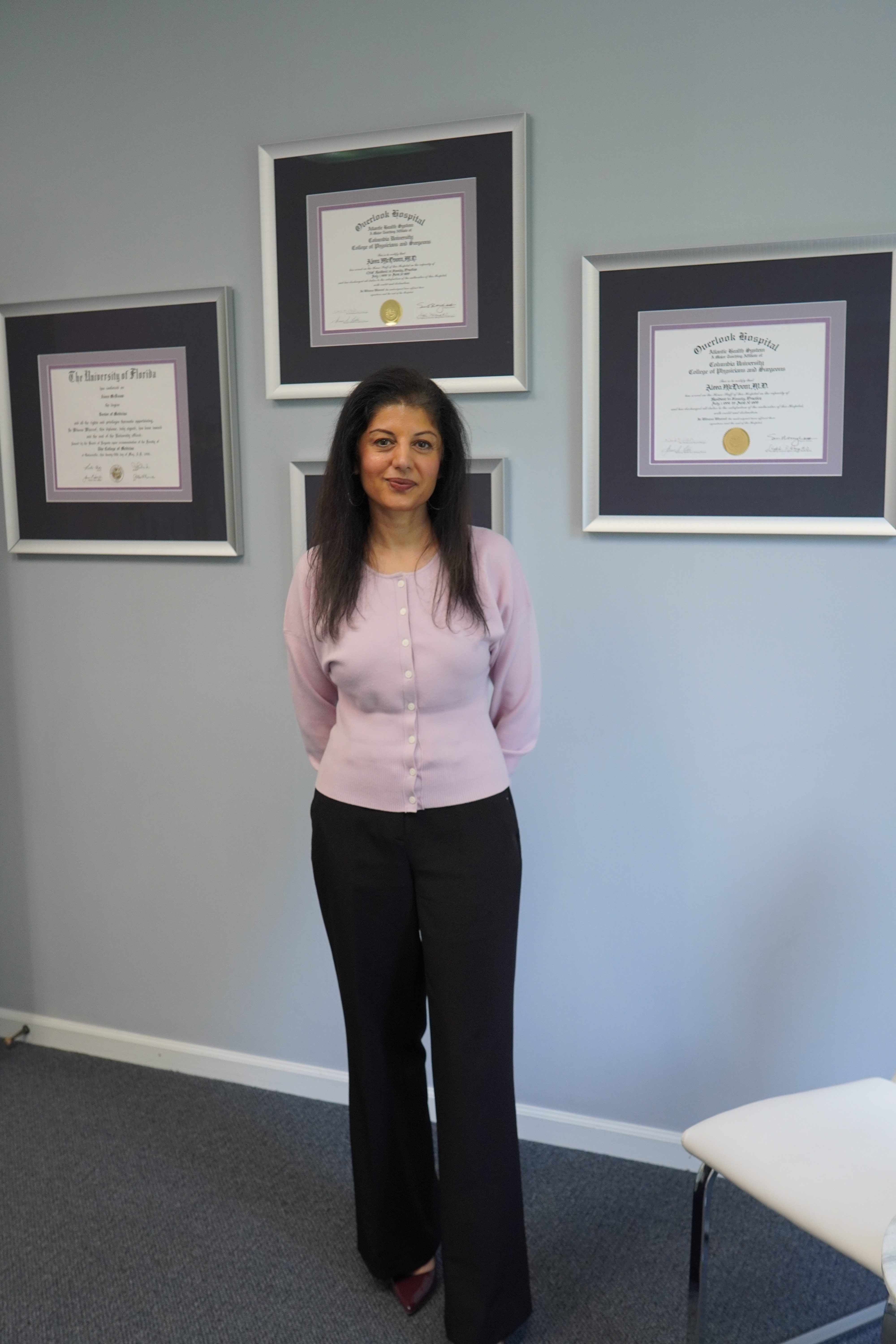
Medicine has taken Dr. Aleea Gupta across the United States, but the lessons that shaped the physician she is today began long before medical school, as she grew up across multiple continents.
Born in Guyana and raised across several countries including, England, Jamaica, Iraq, Saudi Arabia, etc. Dr. Gupta spent much of her childhood adapting to new cultures, new schools, and new communities. Rarely surrounded by people who looked like her or shared the same background, she learned early that every person carries a unique identity. Listening, adapting, and finding common ground became second nature. Looking back, those experiences would become some of the greatest tools she now brings into the exam room.
For Dr. Gupta, medicine has always been about people before diagnoses.
Throughout her career, she has worked in hospitals, clinics, and traditional healthcare settings. Each experience strengthened her clinical skills, but it also revealed the realities many physicians face. Appointments often became shorter. Patient schedules became fuller. Meaningful conversations became increasingly difficult within systems designed to move quickly.
She realized that while she loved practicing medicine, she wanted to practice it differently.
Rather than measuring success by the number of patients she could see in a day, Dr. Gupta wanted the time to understand each person’s concerns, answer questions thoroughly, and build relationships that extended beyond a single appointment. That desire eventually led her to establish Family First Direct Primary Care, a practice built around accessibility, continuity, and time.
The model removes many of the barriers patients often experience in traditional healthcare. Instead of navigating brief office visits and complicated insurance requirements, patients pay a predictable monthly membership that allows for longer appointments and direct communication with their physician. For Dr. Gupta, the goal is not simply affordability. It is creating an environment where patients feel comfortable asking questions, understanding their health, and participating in decisions about their care.
That philosophy extends well beyond her office walls. During our conversation, Dr. Gupta demonstrated the attentiveness, empathy, and emotional intelligence that patients often hope to find in a physician. While only she can speak to what shaped those qualities, she reflected on a childhood spent moving across countries as her Guyanese family pursued new opportunities, experiences that exposed her to diverse cultures long before she entered medicine.
Beyond the exam room, Dr. Gupta uses social media to advocate for more affordable, accessible healthcare while encouraging fellow physicians to imagine careers that are both meaningful and sustainable. Although our conversation centered on patient advocacy, health literacy, and improving healthcare access for underserved and immigrant communities, her online work often introduces audiences to direct primary care as an alternative model of medicine. By sharing her own professional journey, she hopes younger physicians recognize that it is possible to build fulfilling careers without compromising the quality of care they provide, or sacrificing their own well-being to burnout.
Her advocacy reflects the same belief that guides her practice: healthcare works best when relationships come first.
Although she left Guyana at a young age and grew up across in one other country before eventually settling in the United States, Dr. Gupta continues to carry her Guyanese roots with her. Rather than seeing her international upbringing as a departure from her identity, she views it as something that expanded her understanding of people and cultures. Today, that perspective allows her to care for patients from many different backgrounds with empathy, curiosity, and respect.
It also reflects one of the central ideas behind After the Makers. The diaspora is not simply defined by where people live. It is reflected in the values they carry forward, the communities they serve, and the ways they continue contributing to the places they now call home.
For Dr. Gupta, being a physician is about far more than diagnosing illness.
It is about making healthcare easier to access.
It is about creating space for honest conversations.
It is about helping patients feel seen, heard, and respected.
Most importantly, it is about remembering that every patient is a person before they are a diagnosis.
That belief continues to shape every conversation she has, every patient she serves, and every physician she hopes to inspire.
After the Makers.
Berbice Peace® 🇬🇾